Common Cardiac Investigations
ECG
Cardiac monitor/tape
Echocardiogram

An electrocardiogram (ECG) is a simple, non-invasive test that measures the electrical activity of the heart. It provides valuable information about the heart rhythm, the functioning of the heart muscle, and the blood supply to the heart. Although the ECG is a useful first test, further investigations are often necessary to confirm a diagnosis.
Echocardiogram
Cardiac monitor/tape
Echocardiogram
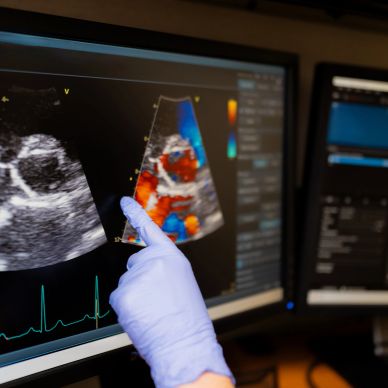
An echocardiogram, often referred to as an echo, is a non-invasive ultrasound scan of the heart. During the procedure, ultrasound jelly is applied to your chest wall, and pictures are captured using a small probe on the surface of the skin. This test provides extensive information about the heart's structure and assesses how well the heart pumps and how effectively the valves are functioning. It is an essential tool for diagnosing a wide range of cardiovascular conditions.
Cardiac monitor/tape
Cardiac monitor/tape
CT coronary angiography
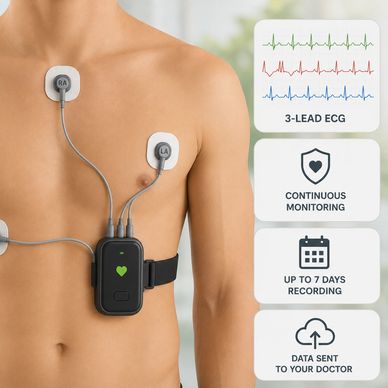
A cardiac monitor, sometimes referred to as a Holter monitor, is a simple non-invasive test. Special ECG dots are applied to the skin, allowing for the measurement of heart rhythm over an extended period. You will wear the monitor home and can continue your usual activities, while avoiding getting it wet. This test will help identify any heart rhythm problems.
CT coronary angiography
Coronary angiogram and angioplasty
CT coronary angiography
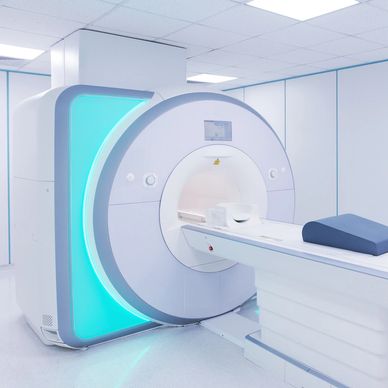
A CT coronary angiogram is a non-invasive way of looking at the heart arteries to see if they have any narrowings in them. You will need a cannula to allow the team to administer some short-acting medicines and CT scanner contrast. In the past a CT calcium score was often used to give an idea if there are heart artery narrowings but Dr Hinton uses a formal CT coronary angiogram because it provides more detailed information.
Stress testing
Coronary angiogram and angioplasty
Coronary angiogram and angioplasty

There are different modalities of stress tests available, such as MRI, echocardiogram, and nuclear tests. All of these tests aim to assess whether the blood supply to the heart is maintained. This information can reveal if any of your heart arteries have narrowings that restrict blood flow to the heart. These tests are often utilised if you have had previous stents or bypass surgery.
Coronary angiogram and angioplasty
Coronary angiogram and angioplasty
Coronary angiogram and angioplasty
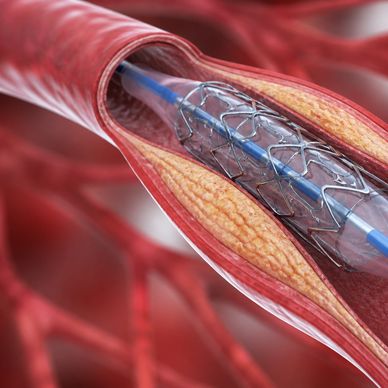
An angiogram is an invasive test where Dr. Hinton will use the wrist artery (or occasionally the groin artery) to access the heart arteries. This allows detailed pictures of the heart arteries to be obtained. Dr Hinton will explain the results at the time, and if needed, he can proceed to open up any narrowings with balloons or stents (called angioplasty). Dr Hinton will use the latest technologies, including pressure wire, IVUS, and OCT where applicable, to provide you with the best results.